Dallas Stars Snap Six-Game Slide with Convincing Win, But Questions Remain
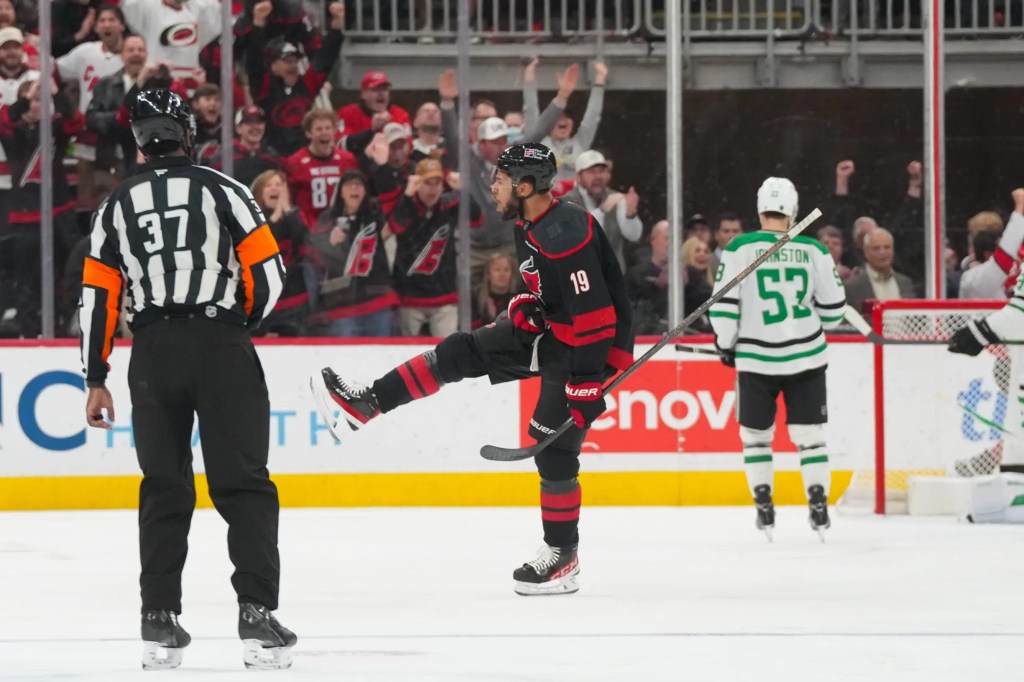
Dallas entered the week with a 0-3-3 record over its previous six games, having not tasted victory since Dec. 21. (Can confirm as I was in attendance.) The skid included a lopsided 6-3 loss to the Carolina Hurricanes on Tuesday, when the Stars fell behind early and never regained a foothold, exposing the defensive issues that had plagued them throughout December. Before that, a loss at Chicago continued a stretch in which Dallas had trouble closing out games and preventing opponents from building momentum.
Last night, the Stars finally were able to secure two points in regular time, halting a painstaking skid for the boys in victory green.
Radek Faksa opened the scoring with a shorthanded goal early in the first period, and goaltender Casey DeSmith turned in a solid performance with 23 saves to backstop the Stars’ return to form. Sam Steel contributed both a goal and an assist, while Wyatt Johnston added an insurance tally late, and Roope Hintz sealed the win with an empty-netter. These offensive contributions underscored a balanced effort that the Stars have lacked during their skid.
For Dallas, this result represented more than a rebound win: it was a reclaiming of identity after a stretch in which the Stars played uninspired hockey, surrendered leads, and ceded control in all three zones to opponents. But to fully understand the context of Wednesday’s win, it is necessary to examine the factors that contributed to the team’s slump and why this victory might represent a turning point.
There’s no winter in Texas, but the snowball effect was real
Before the Washington game, Dallas had gone 0-3-3 in six games and looked increasingly disorganized with each outing. Defensive coverage was optional. Neutral-zone gaps were theoretical. Puck management was treated like a suggestion rather than a requirement.
They weren’t just losing — they were making it harder than necessary. Leads evaporated. Early goals against became routine. Opponents dictated the pace while Dallas chased games and took penalties born of frustration, not aggression.
This wasn’t a talent issue. It wasn’t injuries. It wasn’t bad luck.
It was sloppiness.
Two glaring patterns manifested during the slump: defensive breakdowns and a lack of structure at both ends of the ice. In those six contests, the Stars surrendered 25 goals, a figure that dramatically inflated their average goals-against rate and pointed to systemic issues rather than isolated mishaps. Compounding the problem, Dallas spent too much time on the penalty kill, allowing opponents to dictate shifts and puck possession in dangerous areas.

Nick Wass / AP
Diagnosis: Where Things Went Wrong in Dallas
There are several key contributors to the Stars’ mid-season struggles:
For a team that markets itself on structure, responsibility, and being hard to play against, the Stars spent much of the slump doing a convincing impression of a team that forgot its own scouting report.
Defensemen were late on retrievals. Forwards blew the zone early, leaving partners stranded. Net-front coverage was inconsistent at best and nonexistent at worst. Breakouts stalled. Clears missed. Zone time piled up against them like unpaid parking tickets.
Against Washington, that all disappeared — conveniently — as Dallas held the Capitals to minimal pressure through two periods. Funny how effective the Stars look when they actually defend first and don’t try to win games 6–5 every night.
- Special Teams Woes and Penalty Kill Burden
Earlier in the season, the Stars lacked efficiency on the power play, a problem exacerbated by injuries to key forwards who typically quarterback that unit. While the penalty kill had been a relative bright spot at times, overaggressive line changes and defensive miscues in the neutral zone put extra pressure on special teams. Over time, this translated to more time defending and fewer quality offensive possessions during 5-on-5 play. - Goaltending and Confidence Issues
Although Jake Oettinger has been a cornerstone for Dallas in previous seasons, his performance during the skid was uneven. A few games saw him chased early, contributing to defensive instability and forcing backups like DeSmith into heavier workloads. When a goaltender’s confidence is shaken, the ripple effect can impact defensive pairings and breakouts, often leading to rushed decisions and increased turnovers. - Schedule Fatigue and Break Performance
The Stars’ mid-season schedule, including extended road trips and the holiday break, appeared to affect energy levels. Teams often struggle to quickly regain competitive intensity after extended breaks, and Dallas was no exception. Their game execution suffered in the early parts of the slump, as evidenced by slow starts and avoidance of puck battles in critical areas.
Against Washington, however, Dallas reversed this trend by limiting the Capitals to just 11 shots in the game’s first 40 minutes and regaining possession control. That kind of structured defensive performance had largely been absent in their last few outings.
The Washington Game: A Recommitment
In their win over Washington, the Stars demonstrated that the way out of a slump often begins with discipline and structure. By emphasizing defensive zone coverage, clean breakouts, and limiting high-danger chances, Dallas built a lead and protected it through controlled play. Their forecheck was effective without becoming reckless, and they generated scoring while keeping the Capitals off their stride.
Faksa’s early goal set the tone by forcing Washington to chase the game, and DeSmith’s timely saves prevented any momentum swings. Sam Steel’s sustained zone time and Johnston’s finishing touch highlighted the Stars’ ability to execute on high-reward opportunities. Combined, these factors helped Dallas reverse course and regain confidence.
What Comes Next
The win over Washington was necessary. It was overdue. It was also not special.
This is the standard the Stars are supposed to meet. Tight defense. Controlled transitions. Opportunistic scoring. Responsible hockey. No excuses.
If Dallas strings together a few more performances like this, Wednesday will look like the moment they corrected course. If they don’t, it will simply be remembered as a brief interruption in a stretch of avoidable mediocrity.
The Stars didn’t reinvent themselves against the Capitals.
They just stopped playing dumb.
Now they have to decide if that was a one-night experiment — or a recommitment to who they claim to be.

 The Morning Skate